
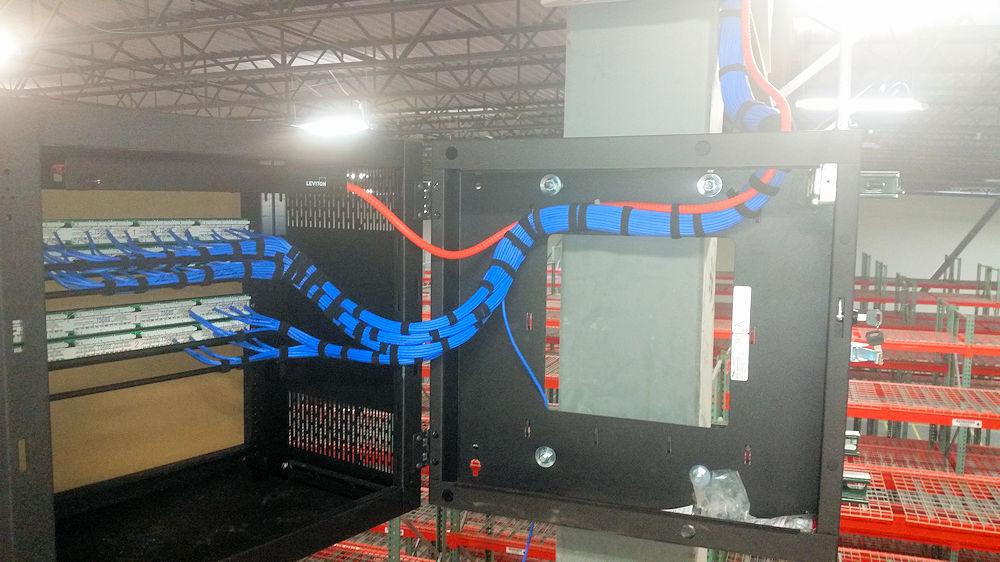
If you’ve searched for “low voltage cabling contractors,” you’re probably trying to figure out who actually handles the data, network, and communications wiring in a commercial building — and what separates a good contractor from one that’ll leave you with a mess of unlabeled cable behind the walls. Here’s what low voltage cabling contractors actually do, and what to look for when you’re hiring one.
What Is Low Voltage Cabling?
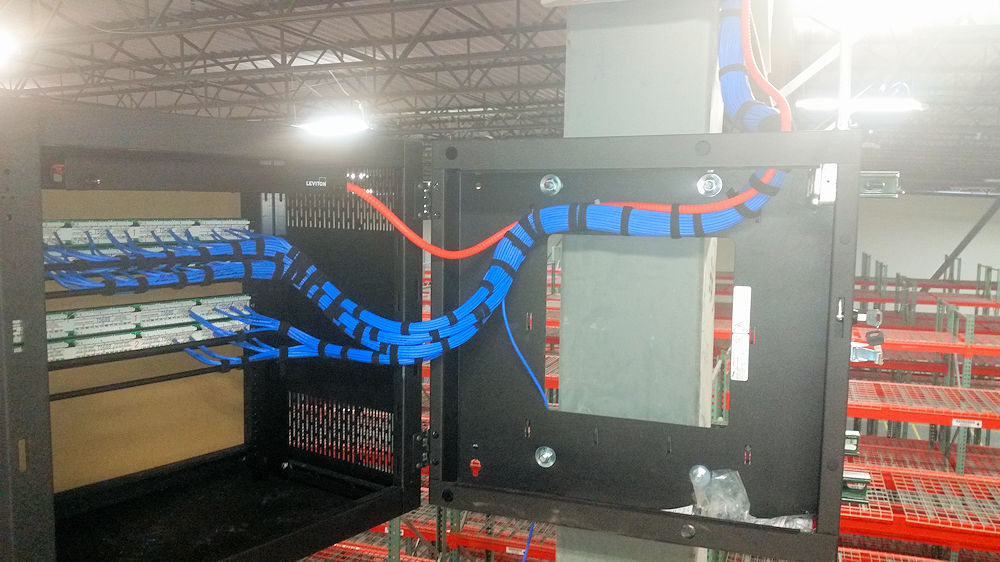
Low voltage cabling refers to the data, network, and communications wiring that runs at well below the voltage used for a building’s electrical power system — think Ethernet cabling, fiber optic lines, and the structured cabling that ties workstations, access points, and equipment racks back to a central patch panel. It’s a distinct trade from electrical wiring, which is why most commercial buildouts bring in a dedicated low voltage cabling contractor alongside the electrician.
What Low Voltage Cabling Contractors Do
A commercial low voltage cabling contractor typically handles:
- Network infrastructure design — planning cable pathways, rack layouts, and patch panel locations before work begins.
- Ethernet cable installation — Cat5e, Cat6, and Cat6A cabling for workstations, access points, and other network drops.
- Fiber optic cabling — single-mode and multimode fiber for backbone runs and high-bandwidth connections.
- Structured cabling — a standards-based cable plant design that ties every part of a building’s network together.
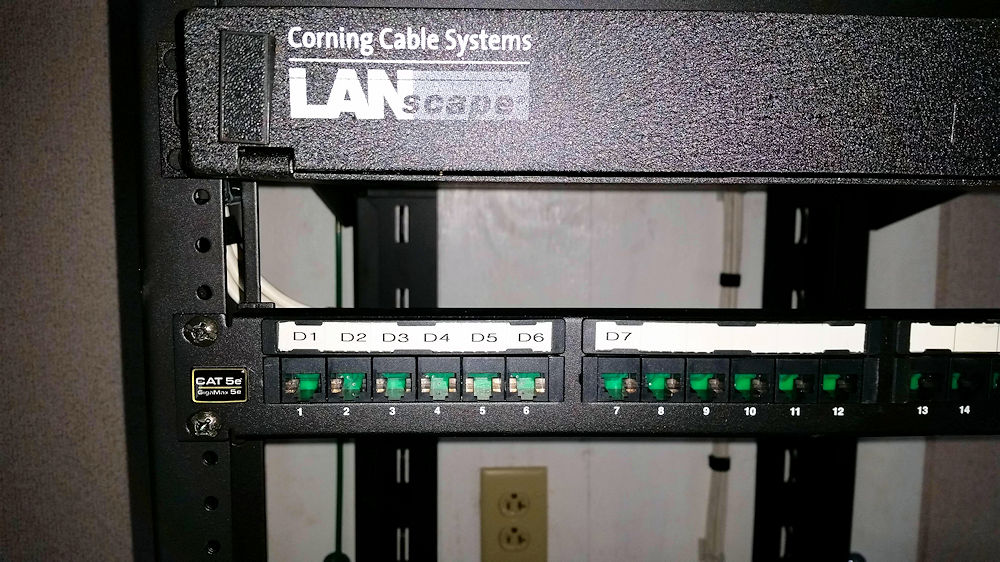
- Racks, cabinets, and patch panels — the physical infrastructure that keeps a network organized, labeled, and serviceable.
- Ongoing network support — testing, documentation, and troubleshooting after the initial installation.
What to Look for in a Low Voltage Cabling Contractor
Certifications and Testing Standards
Look for BICSI-certified technicians and Fluke Networks certification testing on every cable run. Certification testing confirms that each link actually meets the performance standard it was designed for, rather than just “working” the day it’s installed.
Manufacturer Partnerships
Established cabling contractors typically maintain partnerships with major cable and hardware manufacturers — brands like CommScope, Belden, General Cable, and Leviton — which affects both the quality of materials used and the warranty coverage available on the finished install.
Licensing, Insurance, and Track Record
Confirm the contractor is properly licensed and insured for commercial work, and ask to see examples of completed projects similar in size and scope to yours.
Local Experience
A contractor with a long track record in your specific market will already understand local permitting, building types, and the kinds of infrastructure challenges common to the area.
Why It’s Worth Hiring a Specialist
Low voltage cabling might look simple from the outside — it’s “just wires” — but a poorly planned cable plant creates real problems down the line: bottlenecked network performance, difficult troubleshooting, and expensive rework when the building needs to grow. A properly designed and tested cabling system pays for itself in fewer headaches over the life of the building.
Shelby Communications has been installing and supporting low voltage cabling systems across the Dallas-Fort Worth metroplex since 2004, with BICSI-certified technicians and Fluke-certified testing on every project. Contact our team for a free site assessment and quote.